Unlocking Human Potential: The Power of Artificial Intelligence in Problem-Solving

AI minutes 4 minutes

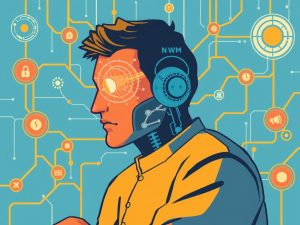
Illustration of a person with cybernetic enhancements and digital circuits, symbolising technology integration with the human body and mind.The world has witnessed an unprecedented transformation in recent years, with the emergence of artificial
intelligence (AI) as a driving force behind innovation and progress. From intelligent personal assistants to
self-driving cars, AI is increasingly being utilized across various industries to solve complex problems and
unlock human potential. One area where AI has made a significant impact is in problem-solving skills.

The Importance of Problem-Solving Skills

Problem-solving skills are essential for any individual or organization looking to stay ahead in today’s
fast-paced world. With the rise of automation, AI, and other technologies, traditional problem-solving methods
have become less relevant. However, effective problem-solving remains crucial for innovation, creativity, and
success.

How AI Can Enhance Problem-Solving Skills

AI has revolutionized the way we approach problem-solving by providing a range of tools and techniques that
can help individuals and organizations tackle complex challenges more efficiently. Here are some ways in which AI
can enhance problem-solving skills:
  • Data Analysis: AI-powered analytics tools can quickly process large datasets, identify patterns, and
    provide insights that would be difficult for humans to detect manually.
  • Pattern Recognition: Machine learning algorithms can recognize patterns in data, helping individuals
    identify relationships between seemingly unrelated variables.
  • Predictive Modeling: AI models can predict outcomes based on historical data, allowing organizations
    to make informed decisions and avoid potential pitfalls.
  • Collaborative Problem-Solving: AI-powered collaboration tools enable teams to work together more
    effectively, fostering a culture of innovation and creativity.

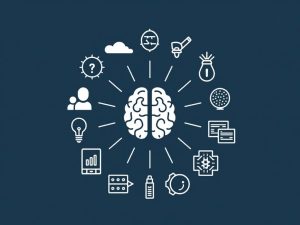
A brain icon in the centre is surrounded by various icons representing ideas, technology, data, people, and communication, all on a dark blue background.Types of AI-Driven Problem-Solving

There are several types of AI-driven problem-solving techniques that can be applied in various
contexts:

  1. Rule-Based Systems: These systems use pre-defined rules to solve problems by applying them to specific
    situations.
  2. Machine Learning: Machine learning algorithms learn from data and improve their performance over time,
    allowing them to tackle complex problems more effectively.
  3. Deep Learning: Deep learning techniques are a subset of machine learning that use neural networks to
    analyze and interpret large datasets.

Applications of AI in Problem-Solving

Ai has been successfully applied in various industries to solve complex problems:

  • Healthcare: AI-powered systems can analyze medical data, identify patterns, and provide insights that
    help doctors diagnose diseases more accurately.
  • Finance: AI-driven trading platforms can analyze market trends, predict prices, and optimize
    investment strategies.
  • Manufacturing: AI-powered predictive maintenance systems can detect equipment failures before they
    occur, reducing downtime and increasing productivity.

Challenges and Limitations of AI-Driven Problem-Solving

While Ai has made significant strides in problem-solving, there are still challenges and limitations to be
addressed:

  • Data Quality: AI algorithms require high-quality data to function effectively. Poorly sourced or
    biased data can lead to inaccurate results.
  • Explainability: AI models can be opaque, making it difficult for humans to understand how they arrive
    at their conclusions.
  • Bias and Fairness: AI systems can perpetuate existing biases if trained on biased data or designed
    with discriminatory intentions.

Best Practices for Implementing AI-Driven Problem-Solving

To ensure the successful implementation of AI-driven problem-solving techniques, follow these best
practices:

  1. Data Quality: Ensure that your data is accurate, complete, and unbiased.
  2. Collaboration: Foster a culture of collaboration between humans and machines to leverage each other’s
    strengths.
  3. Transparency: Implement transparent decision-making processes to build trust in AI-driven
    solutions.

In conclusion, the integration of Ai into problem-solving has the potential to unlock human potential and
drive innovation. By understanding how Ai can enhance problem-solving skills, we can harness its power to solve
complex challenges more efficiently. However, it’s essential to address the challenges and limitations associated
with Ai-driven problem-solving, including data quality, explainability, and bias.

By adopting best practices and leveraging Ai-powered tools, individuals and organizations can unlock their
full potential and achieve greater success in an increasingly complex world.