Download Corporate Calendar 2027 Download

Download Corporate Calendar 2027 Download
 4 minutes
 In an era where digital transformation is ubiquitous, the importance of robust cybersecurity training cannot be overstated. With cyber threats becoming more sophisticated and frequent, organizations of all sizes are vulnerable to data breaches and other malicious activities. Effective cybersecurity training equips employees with the knowledge and skills necessary to identify,
respond to, and mitigate potential security risks. This comprehensive guide delves into the key aspects of cybersecurity training, providing practical insights for both small businesses and large enterprises.

Cybersecurity training is an ongoing process that involves educating employees about the various types of cyber threats, including phishing attacks, malware, ransomware, and social engineering tactics. The goal is to foster a security-aware culture within the organization by ensuring that every individual understands their role in maintaining cybersecurity measures.
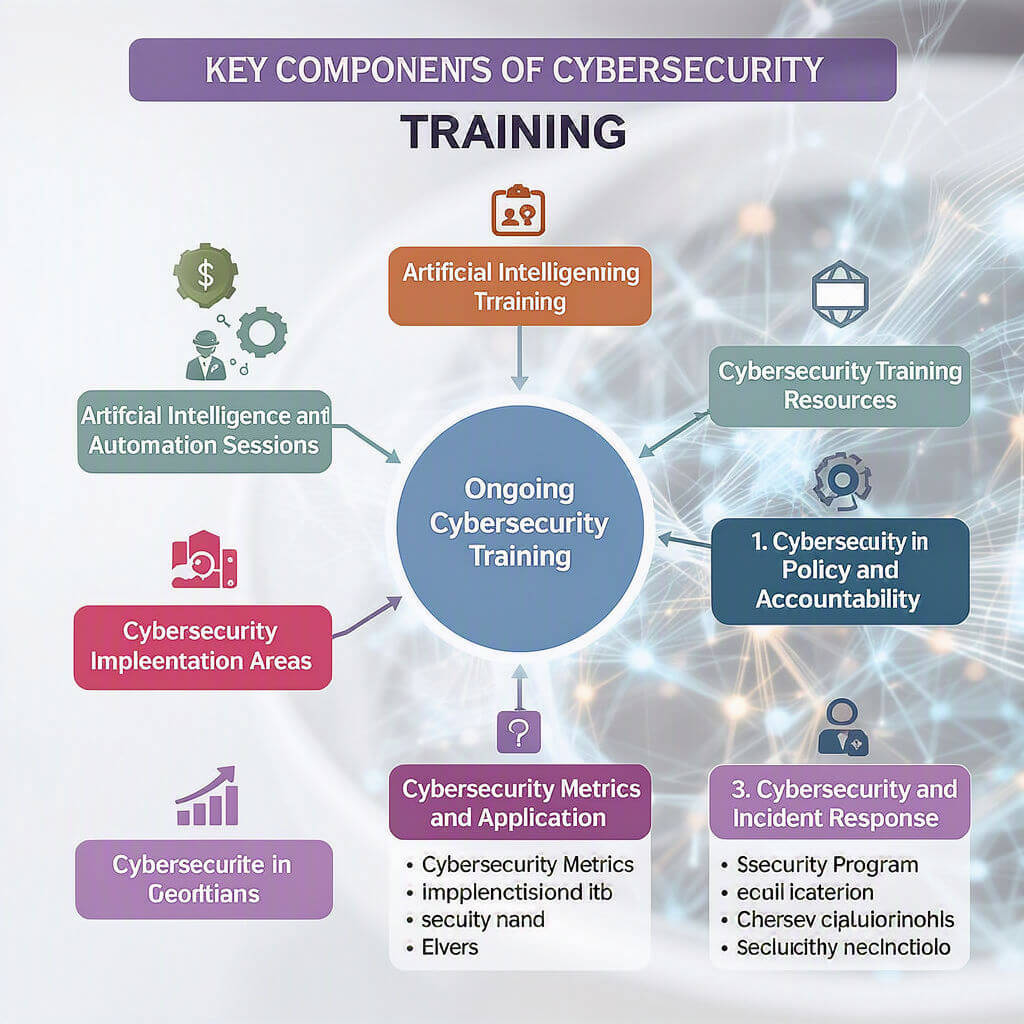
1. **Awareness Programs**: These programs aim to educate employees about common cyber threats such as phishing emails and fraudulent websites.
2. **Technical Training**: This focuses on teaching staff how to use security tools, understand network architecture, and manage data securely.
3. **Policy and Compliance Training**: Ensures that all employees are familiar with the organization’s cybersecurity policies and regulatory requirements.
The first step in effective cybersecurity training is recognizing potential threats. Employees must be able to identify suspicious activities and understand how these can lead to security breaches. Here are some key indicators of cyber threats:
1. **Phishing Attacks**: Phishing emails are designed to trick users into revealing sensitive information or clicking on malicious links. Training should teach employees to verify the sender’s email address, watch for grammatical errors, and avoid openi suspicious attachments.
2. **Malware and Ransomware**: Malware can include viruses, worms, and Trojans that can harm systems and steal data. Ransomware specifically encrypts files, demanding payment for their release. Training should cover how to recognize malicious software and the importance of regular backups.
3. **Social Engineering Tactics**: This involves tricking employees into divulging sensitive information or performing actions that compromise security. Techniques such as pretexting, baiting, and tailgating are common in social engineering attacks.
Implementing best practices is crucial for maintaining strong cybersecurity measures. These include:
1. **Multi-Factor Authentication (MFA)**: MFA adds an extra layer of security by requiring users to provide two or more verification factors before accessing a resource.
2. **Regular Updates and Patch Management**: Keeping software, operating systems, and applications up-to-date is essential for addressing known vulnerabilities.
3. **Data Encryption**: Encrypting sensitive data both in transit and at rest ensures that even if the data falls into the wrong hands, it remains unreadable without proper decryption keys.

Effective cybersecurity training goes beyond mere theoretical knowledge; it should be practical and engaging to ensure retention.
Here are some popular methods and tools:
1. **Online Courses**: These provide flexible learning options and can cover a wide range of topics at different skill levels.
2. **Simulated Attacks**: Using simulated phishing emails or malware attacks helps employees practice their responses in a controlled environment.
3. **Workshops and Seminars**: Interactive sessions that allow for hands-on experience and group discussions are highly effective.
To ensure the effectiveness of cybersecurity training, organizations should establish clear metrics to measure its success:
1. **Pre- and Post-Assessments**: Conducting assessments before and after training can provide insights into knowledge retention.
2. **Incident Response Drills**: Regularly testing employees’ ability to respond to simulated security incidents helps identify weaknesses in their approach.
3. **Feedback Mechanisms**: Collecting feedback from participants allows for continuous improvement of the training program.

Several organizations have successfully integrated cybersecurity training into their operations, leading to tangible improvements
in their security posture:
1. **Company X**: After implementing a comprehensive cybersecurity training program, Company X saw a 90% reduction in phishing incidents and improved overall awareness among employees.
2. **Government Agency Y**: Through regular training sessions and workshops, Government Agency Y was able to comply with stringent
regulatory requirements while reducing the risk of data breaches.
Cybersecurity is not just about technology; it’s also about people. Effective cybersecurity training plays a vital role in protecting organizations from cyber threats by fostering a culture of security awareness. By understanding the key components, identifying threats, and implementing best practices, businesses can significantly enhance their cybersecurity posture. Regular training, using diverse methods and tools, and measuring success through metrics are essential steps toward achieving a robust cybersecurity strategy.


