Download Corporate Calendar 2027 Download

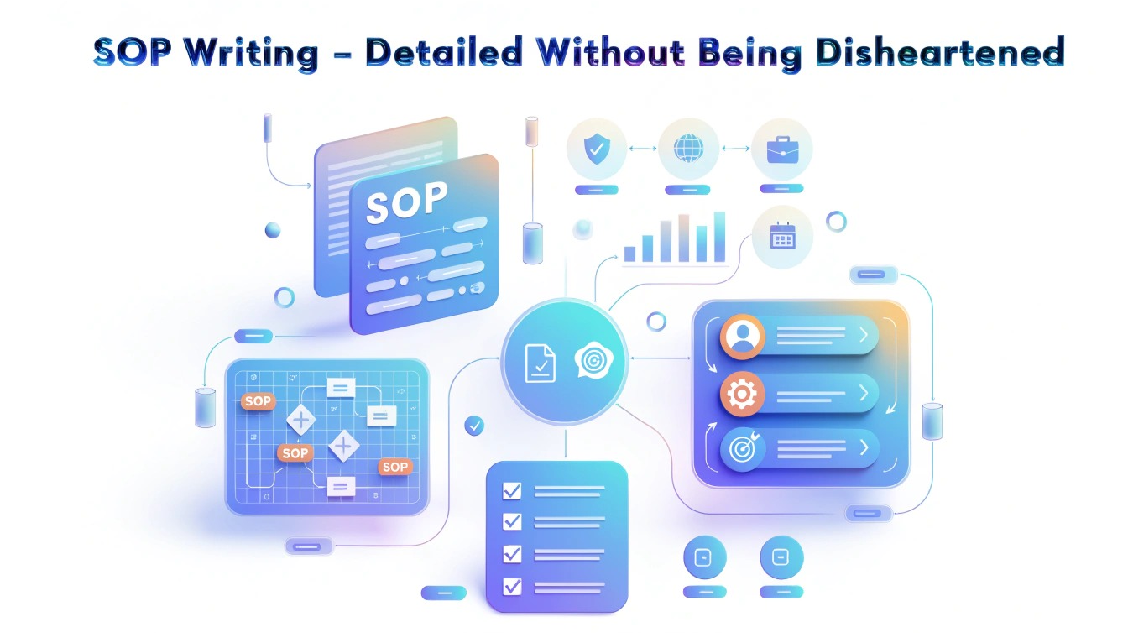
Well-designed SOPs are critical to operational consistency, risk management, and organisational resilience. This one-day workshop focuses on strengthening SOP quality and governance by equipping participants with practical methods to create, review, and maintain SOPs that work in real operating environments. The programme emphasises clarity, usability, and disciplined review practices to reduce errors, rework, and approval delays. Take the disheartening out of the details.
Participants will gain tools to improve SOP templates, introduce stronger review criteria, and streamline sign-off and version control processes, with some help from AI — ensuring SOPs remain current, credible, and fit for purpose as operational demands evolve.

Dr Sunny Goh is a Trainer of Trainers (TOT) and has taught many writing coaches to teach writing programmes he has designed for government servants and private sector officers. He was head of the International directorate in Mindef’s Defence Policy Office, where he has written Cab Memos, budget papers and presented Singapore’s position at international fora. He was a member of the SAF Scholars Selection Board and chairman of a university’s Resource Panel.
He was also a Desk Editor at The Straits Times, where he taught reporting and interviewing skills at its School of Journalism. In all, his participants had included CEOs, professors, staff writers, technical specialists, undergraduates and students. It doesn’t matter how high a participant’s work status may be – all that mattered is a penchant for learning.
As a volunteer, he was a Mediator with the Ministry of Law, a Council Member of the Singapore Red Cross Society and writes regularly for the local and regional media.


